
Should You Use AI to Review Contracts?
May 29, 2026

Justus Schuster
May 29, 2026
Artificial intelligence has long become part of everyday life. But while we ask chatbots about everyday topics without hesitation, a very different question arises when it comes to legal documents: Is it really a good idea to let AI analyse your contracts?
This article explores both sides of the equation and shows where AI delivers significant benefits – and where critical pitfalls remain.
The Perspective of Law Firms & Companies
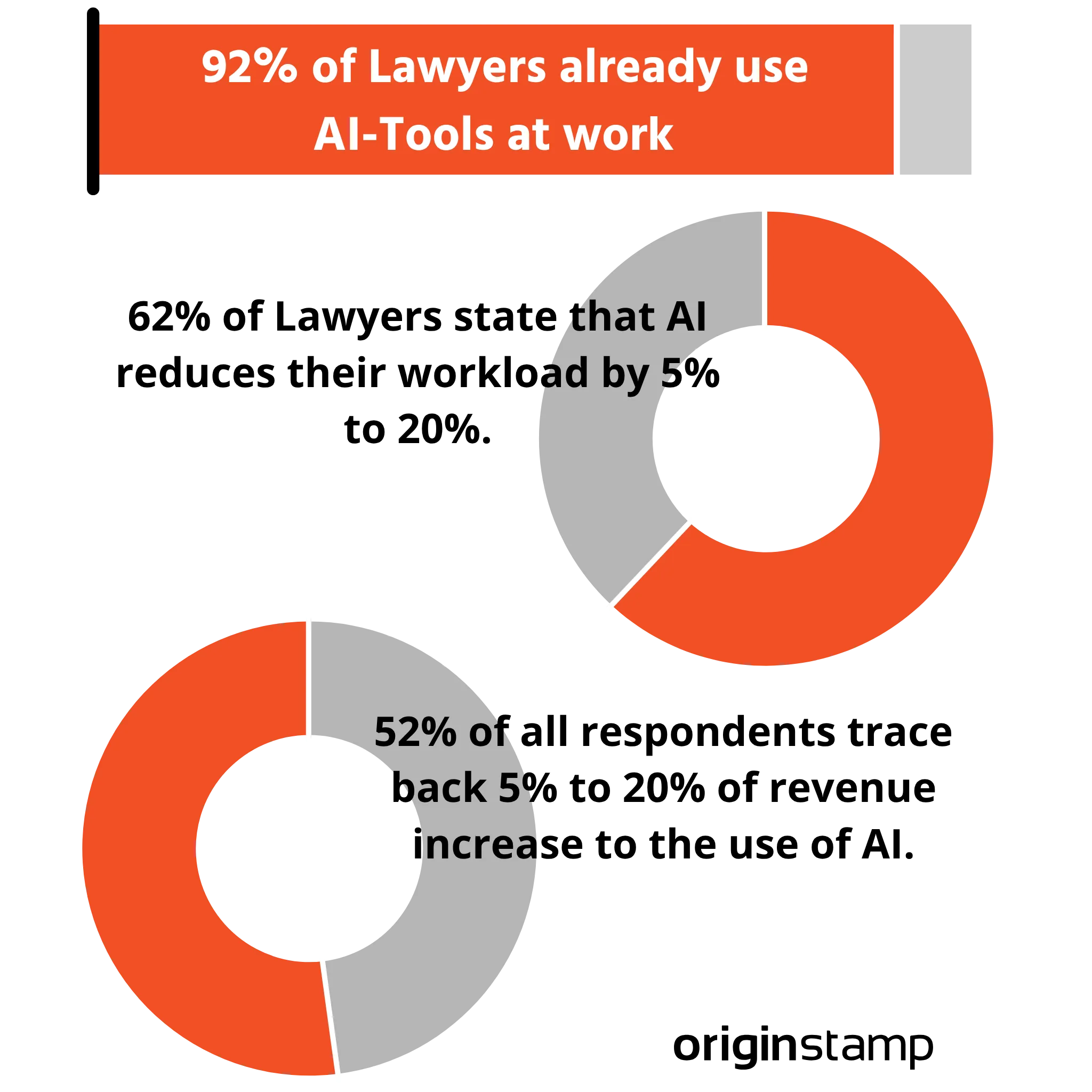
For legal professionals in law firms and corporate legal departments, automated contract analysis represents a major milestone. Where thick stacks of files once had to be reviewed manually, specialised systems now complete much of the preliminary work within minutes.
Risk Screening of Large Contract Portfolios
In mergers, compliance audits, or due diligence processes, AI systematically filters risks from thousands of contracts. Liability amounts, warranty periods, or termination deadlines can be compared and evaluated automatically.
Alignment with Standards and Playbooks
Legal departments use AI systems to compare incoming contracts against internal standards. The software instantly detects:
- missing clauses
- risky deviations
- unusual wording
- incomplete provisions
This significantly accelerates internal workflows.
Secure Enterprise Software Instead of Public Chatbots
Professional users typically do not rely on public AI tools, but instead use specialised Contract Lifecycle Management (CLM) systems with high security standards and data protection certifications.
Legal Boundaries for Professionals
Uploading confidential contract data into public AI services can lead to serious data protection issues and potential violations of GDPR or professional confidentiality obligations.
Professional systems must therefore contractually guarantee:
- no use of data for model training
- secure storage
- encrypted processing
- clear compliance rules
For example ChatGPT is not adequate and cannot be used.
The Liability Trap
If an AI overlooks a critical clause, the machine is not liable – the company or law firm is.
This is why the so-called “human-in-the-loop” principle applies in practice: Despite efficiency gains, AI must never operate fully autonomously.
The AI provides preliminary analysis and suggestions, but final legal evaluation and approval always remain with a human expert.
The Consumer Perspective
Consumers are also increasingly using AI-powered contract review tools. Especially for rental agreements, employment contracts, or general terms and conditions, legal language often appears complex and opaque.
A lawyer is expensive – AI tools promise fast and low-cost assistance.
What Consumer AI Tools Can Do
In addition to standard AI chatbots, numerous platforms now exist that automatically analyse contracts and flag problematic clauses. These systems are often more accurate and less error-prone than their all-round counterparts.
Case Study: Rental Law
Many rental agreements contain clauses that unfairly disadvantage tenants. AI systems can identify:
- excessive renovation obligations
- invalid repair clauses
- problematic utility cost provisions
Case Study: Employment Law
Employment contracts often include:
- unclear overtime regulations
- problematic non-compete clauses
- vague bonus arrangements
- unfair termination clauses
AI can highlight such sections and classify them by risk level.
Why Consumers Can Benefit from AI
- Low entry barrier
Consumers receive an initial assessment within minutes – without high legal fees or long waiting times.
- Stronger negotiating position
Those who identify problematic clauses early can negotiate more effectively with landlords or employers.
Risks for Consumers
As helpful as AI may be, blind trust is dangerous.
Hallucination Problem
Large language models may produce incorrect statements or even invent laws, court rulings, or legal provisions.
For non-lawyers, it is often difficult to determine whether an AI-generated answer is accurate.
- No actual legal advice
AI provides guidance only – not legally binding advice for individual cases.
Complex legal situations still require human expertise.
- No liability protection
If an AI tool fails to identify a problematic clause, the consumer bears the risk.
Unlike lawyers, AI providers typically offer:
- no professional liability insurance
- no right of recourse
- no legal responsibility for incorrect analysis
Conclusion: Use AI as a Radar – Not as a Judge
For law firms and companies, AI-based contract analysis is now a major productivity driver. However, it requires secure, GDPR-compliant infrastructure and oversight by legal professionals. Therefore, most chatbots are not suitable for most law firms, and specialised solutions tailored to specific legal jurisdictions should be used instead.
For consumers, AI is an excellent early-warning system to quickly detect problematic clauses and prepare for negotiations.
The key principle remains:
AI should support – not make final decisions.
For high-value contracts involving significant financial or legal risk, review by a qualified lawyer or consumer protection agency remains essential.
Justus Schuster
Marketing
Justus Schuster supports the OriginStamp marketing team in bridging the gap between complex technology and compelling storytelling. As a Working Student with a passion for digital trends, he contributes to content strategies and brand projects with a fresh, creative perspective. With an analytical approach and an appetite for innovation, Justus translates OriginStamp’s core technologies—from blockchain timestamping to AI-driven optimization—into impactful digital formats. He is dedicated to making high-tech solutions easy to understand and engaging for the digital community.